

TACLOBAN CITY – Local chief executives from across Eastern Visayas formalized their commitment to advance the energy transition in their localities, by developing Local Energy Plans and enacting Renewable Energy (RE) Ordinances that will enable access to cleaner, more affordable, and reliable power for communities in the region.
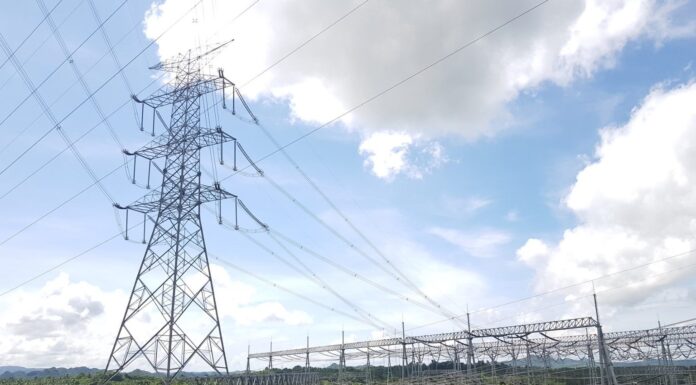
Eastern Visayas has constantly experienced a lack of access to reliable and sustainable energy, which historically affected the operations of health facilities, communications networks, and educational services in the region. In addition, despite its capacity to house renewable energy plants such as solar and geothermal, Eastern Visayas has been heavily reliant on coal-fired power plants, which led to some of the highest electricity rates in the Philippines, even reaching PHP 20.96 per kilowatt hour in 2022.
“We are not merely drafting plans, we are laying the foundation for a resilient future… This is not only about energy, this is about economic opportunity and green jobs. It is about lowering power costs for families, and providing energy security for our schools, our health centers, and our public services,” said Hon. Lovell Ann Yu-Castro, Mayor of Alangalang, Leyte, during the ceremonial Memoranda of Understanding (MOU) signing held in Tacloban City yesterday.
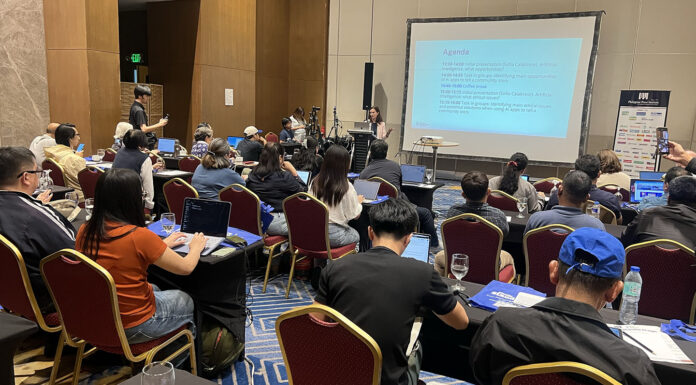
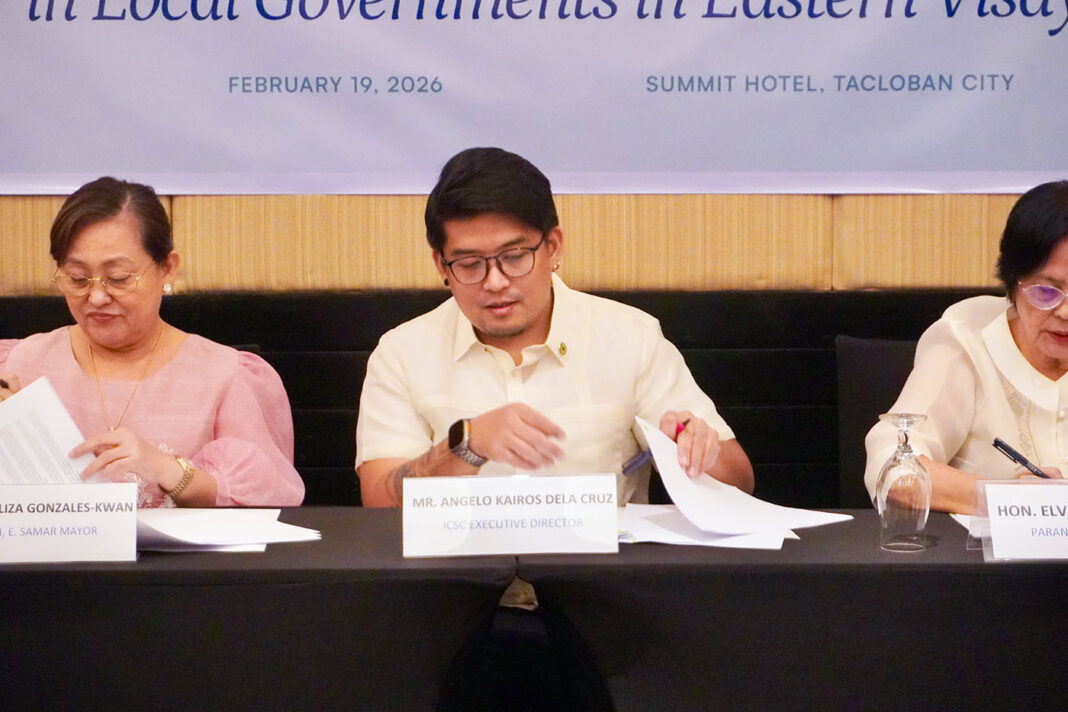
Together with Alangalang, Leyte, the local government units (LGUs) of Paranas and Marabut in the province of Samar; and Guiuan, Oras, and Salcedo in the province of Eastern Samar, represented by their Mayors, each forged partnerships with the Institute for Climate and Sustainable Cities (ICSC) to implement a participatory local energy planning process. This aims to translate community needs and local development priorities into actionable clean energy transition plans, supported by enabling local policies.
According to the MOUs, each LGU pledged to contribute to the country’s national objectives by aligning local actions with national energy mechanisms and policies, such as the the Energy Efficiency and Conservation Act, the DILG–DOE Joint Memorandum Circular 2020-01 on facilitating energy projects, and voluntary renewable programs such as Net Metering and the Green Energy Option Program (GEOP).
“We affirm that local energy planning is not just an option but a responsibility that local leaders must work on, not in the future but now. We commit to integrating renewable energy into our local development plans, promoting solar and energy solutions, building local capacities, and encouraging community participation. The foundation of this work should be inclusivity and good governance,” said Hon. Elvira Babalcon, Mayor of Paranas, Samar.
ICSC, on the other hand, committed to providing technical assistance and capacity-building support to help LGUs conduct multi-stakeholder local energy planning, develop clean energy transition plans, craft RE ordinances, and support investment mobilization for the RE transition.
ICSC also pledged to support priority energy transition actions that the LGUs may explore, such as promoting rooftop solar adoption across public, commercial, agri-industrial, and residential buildings; pursuing local transition roadmaps such as renewable energy for sustainable tourism; scaling Community Renewable Energy (CORE) initiatives; and conducting information, education, and awareness campaigns and local incentive measures to encourage RE uptake.
“Every signature, decision, and step that we take will serve as a symbol of our vision and collective action toward achieving a better and more resilient future for Eastern Visayas,” said ICSC Executive Director Angelo Kairos dela Cruz.
According to dela Cruz, active collaboration across sectors and institutions proves that the energy transition is possible. “In fact, it needs to happen urgently, and we trust that every LGU present here will ensure that we progress forward,” dela Cruz stressed.|