

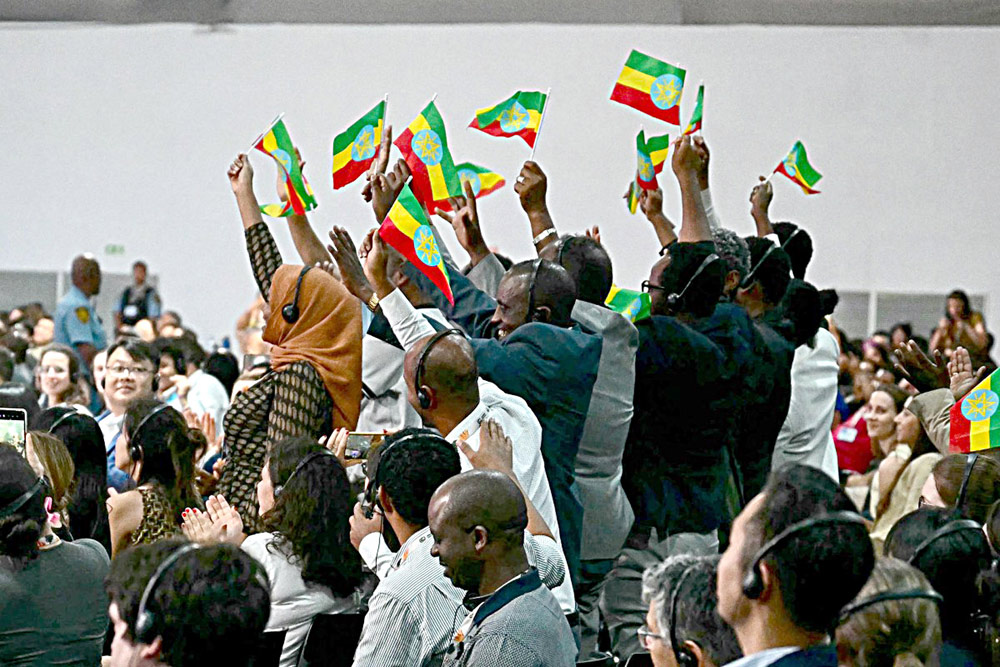

BELEM, Brazil — What should have been a routine closing ceremony for COP30 erupted into one of the most chaotic and emotionally charged finales in recent climate summit history, as delays, disputes, and dramatic confrontations laid bare the deep global divides over climate action.
Nearly a full day behind schedule, COP30 President Andre Correa do Lago finally opened the concluding plenary on Saturday afternoon (Sunday in Manila time), after negotiators worked through the night to salvage a compromise text. Delegates arrived visibly fatigued, many clutching coffee cups, hoping the marathon talks were finally over.
From the outset, the summit in Belem — a gritty Amazonian city at the heart of both climate urgency and political tension — had been marked by disruptions. Indigenous activists twice pushed through security lines earlier in the week. A fierce fire on Thursday triggered a rushed evacuation. And throughout the event, the venue itself battled leaking ceilings, broken air conditioners, and waterless toilets.
Still, a brief cheer swept through the hall when Correa do Lago struck the gavel and formally adopted the “Mutirao” text — the summit’s key output, named after a Portuguese term meaning “collective effort.”
The celebration didn’t last long.
A representative of the Holy See drew resounding boos from NGO groups after reiterating the Vatican’s strict biological definition of gender — reviving tensions in negotiations already fraught with debates over gender language in climate policy.
Moments later, a procedural dispute sent the plenary into turmoil. Colombia’s lead negotiator, Daniela Duran, announced that her country’s formal objection had been ignored when a related decision was approved. In an uncommon move, Correa do Lago suspended the session for more than an hour, signaling the seriousness of the dispute. Observers said Colombia was frustrated by the weakened language on transitioning away from fossil fuels, a battle it had led for days.
When the session resumed, Russia’s delegate Sergei Kononuchenko escalated tensions further, chastising objecting nations to “stop behaving like children who want all the sweets,” drawing a sharp response from Argentina.
Western nations, unusually quiet, appeared sidelined — a sign of shifting geopolitical influence.
Outside, the Amazon unleashed a torrential downpour, soaking parts of the venue. Inside, despite the drama, a deal was finally sealed — ending COP30 much as it unfolded: messy, charged, and unforgettable.|