

FAST Logistics Group is urging Philippine companies to adopt a forward stocking strategy to strengthen supply chains as recurring typhoons and infrastructure disruptions expose vulnerabilities in distribution networks. The end-to-end logistics provider said 2025 underscored the need for disruption-ready systems after more than 20 tropical cyclones hit the country, damaging key routes and delaying shipments across Luzon, Visayas, and Mindanao.
FAST Logistics CEO Manuel L. Onrejas Jr. said businesses must focus on preparedness rather than reacting to crises. Based on company data, a single day of port closure can cause up to three days of industry-wide delivery delays, while eight consecutive days of port shutdowns in late 2025 resulted in delivery backlogs reaching 24 days.
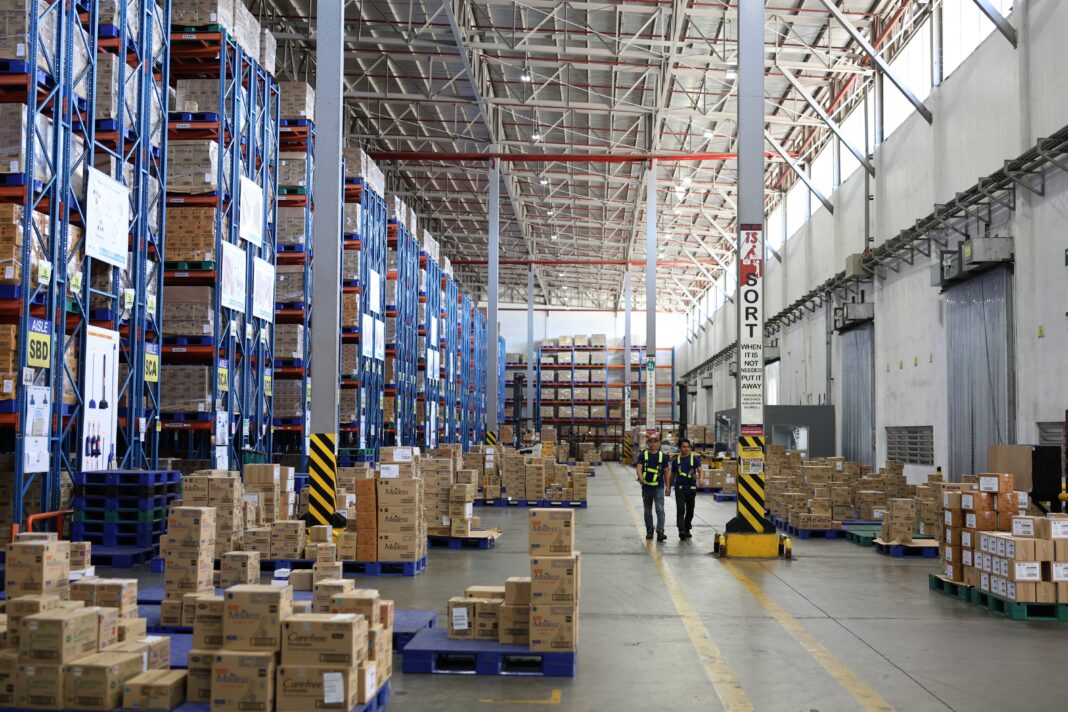
Forward stocking involves pre-positioning goods in strategic warehouses closer to demand centers, allowing faster replenishment when routes or ports become inaccessible. FAST said the approach includes disaster-prepared inventory protection and fixed delivery schedules to speed up last-leg distribution during emergencies.
The company noted that consumer brands that pre-positioned stocks during recent typhoons maintained operations, while those relying on centralized hubs struggled to keep store shelves filled. Essential goods such as canned food, instant noodles, and hygiene products are particularly vulnerable to stockouts during disasters.
FAST also cited infrastructure constraints, including temporary freight disruptions linked to the rehabilitation of the San Juanico Bridge, as factors affecting inter-island logistics reliability.
With a network covering about 94 percent of the country and more than 160 warehouses, FAST offers integrated warehousing, transport, and cold chain solutions supported by AI-powered management systems.
Onrejas emphasized that resilience must be built into supply chains before disasters strike, urging companies to shift toward “smart inventory” models that keep goods closer to consumers and ensure business continuity during peak typhoon seasons. Analysts note stronger distribution planning helps companies minimize losses and maintain customer confidence.| – BNN Integrated News