

Millennials react online as global court pushes case forward
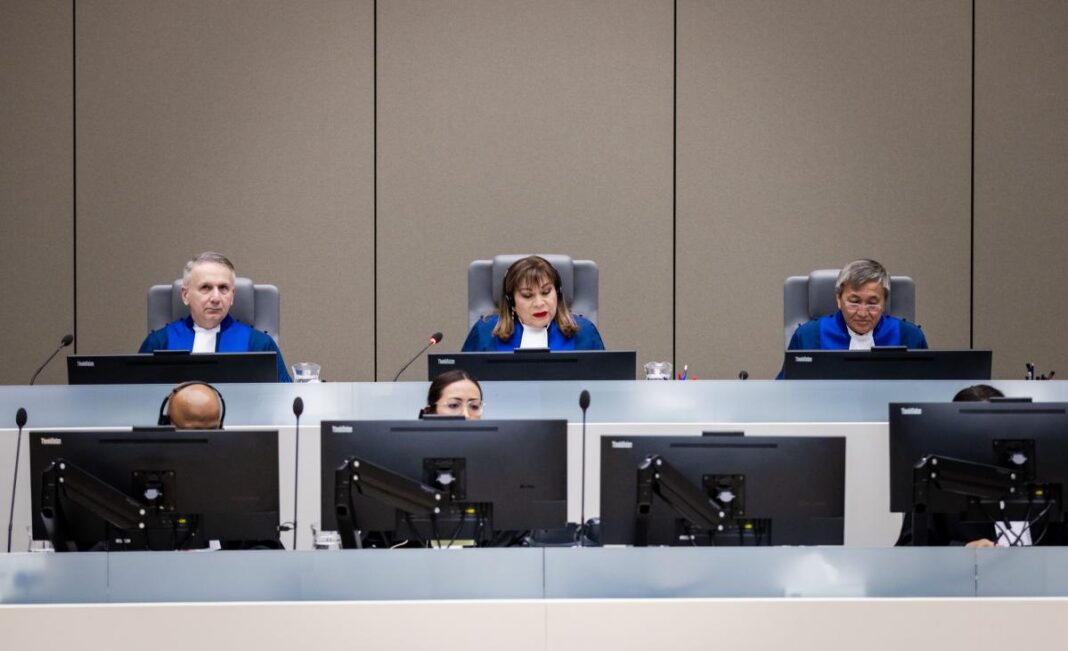
The International Criminal Court (ICC) has officially turned down former president Rodrigo Duterte’s request to be released while awaiting trial—marking another major development in the long-running investigation into drug war killings.
In its ruling released Friday, the ICC Appeals Chamber said Duterte’s team failed to offer strong enough guarantees that he wouldn’t try to flee international jurisdiction if allowed temporary freedom. Duterte, now 80, had asked for “humanitarian” parole, citing health issues.
But the ICC wasn’t convinced.
Presiding Judge Luz del Carmen Ibáñez Carranza said the proposed conditions “were not sufficient to mitigate the risks,” adding that the defense also failed to justify release on humanitarian grounds.
Duterte has been detained at the ICC’s Scheveningen facility in The Hague since March after authorities transferred him following his arrest in Manila. His appearance during his initial online hearing—frail, barely speaking—sparked intense reactions on social media, with #DuterteICC trending within hours.
Victims, advocates welcome the ruling
In Quezon City, families of drug war victims gathered at UP Law’s Bocobo Hall, watching the live announcement together. The mood turned emotional when the denial was read.
The National Union of Peoples’ Lawyers (NUPL) called the ruling a “strong and necessary step,” noting the court’s finding that Duterte posed a flight risk and that humanitarian arguments lacked merit.
“Parties can now focus on two big questions—jurisdiction, and Duterte’s fitness to stand trial,” NUPL said.
Palace, Duterte family keep it cool
The Duterte family released a calm, brief statement:
“We accept the decision with peaceful hearts… We will continue to support former President Duterte.”
Malacañang echoed the sentiment:
“The ICC has made its decision, and the Palace respects it.”
What’s next?
The ICC is still evaluating whether Duterte is medically fit to face trial. A separate ruling has already affirmed the court’s authority to investigate: three charges of crimes against humanity, covering 76 killings from 2013 to 2017—including both the Davao era and the height of the national drug war.
The big date everyone is watching:
The confirmation of charges hearing, set for 2026.
Until then, debates online remain fiery—especially among younger Filipinos who grew up during the height of the drug war and are now watching history unfold in real time.|