

The Catholic Church’s social action arm in the Philippines warned Thursday, March 5, that the escalating violence in the Middle East highlights a deeper global vulnerability: the world’s dependence on fossil fuels.
Caritas Philippines said the crisis could intensify humanitarian suffering while also triggering economic disruptions that may quickly affect countries far beyond the conflict zone.
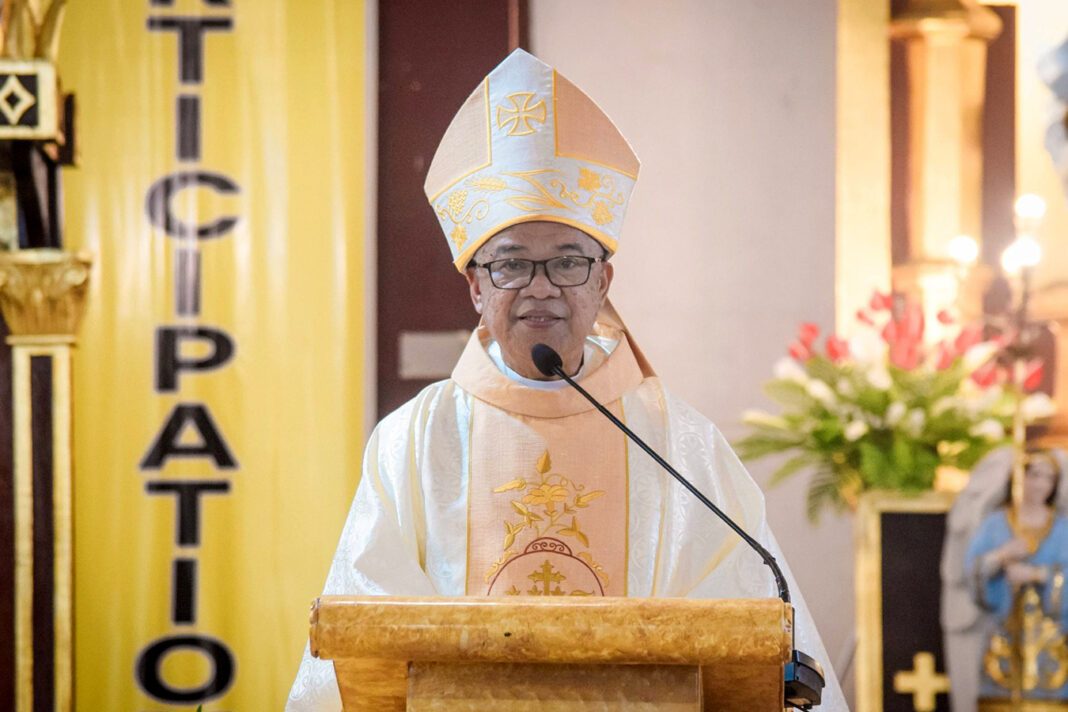
Its president, Gerardo Alminaza, bishop of the Diocese of San Carlos, said the intensifying conflict threatens to push millions into instability and send shockwaves through global energy markets.
“This crisis also reveals a deeper and often ignored reality: the fossil fuel economy continues to shape geopolitical conflict,” Alminaza said in a statement.
He explained that countries such as the Philippines often feel the impact first through fluctuations in global fuel markets.
“Each escalation in the region tends to push oil prices upward, affecting economies dependent on imported energy,” he said.
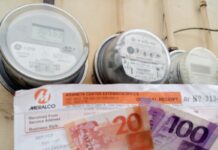
According to Alminaza, rising oil prices quickly translate into hardship for many Filipino households. “The burden falls heaviest on workers, farmers, fisherfolk and the urban poor,” he said.
The Philippines imports most of the coal, oil and natural gas used to power its economy, leaving the country exposed to supply disruptions and price volatility linked to geopolitical tensions.
Caritas Philippines said the crisis highlights the risks of an economic system that remains heavily dependent on fossil fuel extraction and global commodity markets.
“The fossil fuel system does not only warm the planet; it also fuels conflict, deepens economic vulnerability and perpetuates a model of development built on extraction, inequality and short-term gain,” Alminaza said.
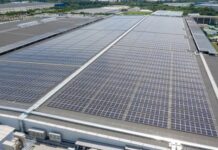
The organization urged the government to accelerate the shift toward renewable energy, pointing to solar, wind, geothermal and other local resources as ways to protect the country from global price shocks.
“Renewable energy is a peace strategy, a justice strategy and a national survival strategy and not simply a solution to the climate crisis,” he said.
Alminaza also warned against relying on expanded oil and gas exploration as a long-term answer to energy insecurity.
The bishop pointed to analyses indicating that new fossil fuel projects now take significantly longer to develop and could become financially risky as the world moves toward cleaner energy sources.
He called on governments to pursue diplomatic solutions to conflicts while increasing investments in renewable energy to strengthen energy security and reduce reliance on volatile global fuel markets.
“Peace is built on justice,” Alminaza said. “And justice today demands an energy conversion.”|– CBCP News