
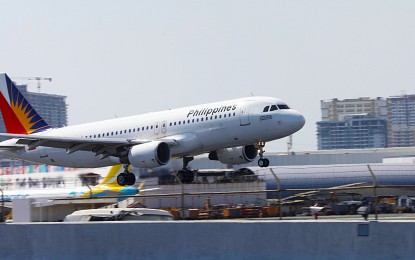

President Ferdinand R. Marcos Jr. recently led a consultative session with the Private Sector Advisory Council (PSAC) to formulate strategies aimed at protecting the aviation industry from volatile global oil prices. According to a statement from the Presidential Communications Office (PCO) on Thursday, March 19, the meeting focused on immediate actions to curb the consequences of surging fuel costs on air travel.
President Marcos emphasized the necessity of maintaining affordable flights, operational reliability, and the uninterrupted flow of goods and people. The PCO noted, “President Marcos also underscored the administration’s commitment to work closely with the aviation sector in pursuing other measures to secure a steady supply of oil and fuel amidst global tightening and to cushion the impact of price increases to the traveling public.”
As part of these efforts, the Department of Transportation informed the President that the Civil Aeronautics Board (CAB) has transitioned to a 15-day cycle for monitoring and implementing fuel surcharges on both domestic and international routes. This change directly supports the President’s goal of creating a more agile system to manage jet fuel price swings and stabilize fare increases.
Furthermore, the Civil Aviation Authority of the Philippines has authorized a decrease in airport navigation and passenger service fees at state-run facilities. This measure is intended to offer short-term financial breathing room for both airline operators and travelers while providing necessary relief to businesses facing rising costs.| (PNA)