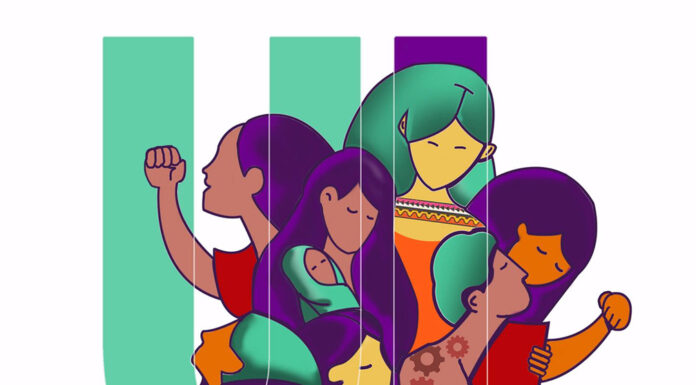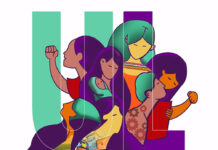



I have spent years listening to the arguments about who counts as a “woman” in National Women’s Month. The tradition, after all, is rooted in the global celebration of International Women’s Day (March 8) and the long struggle for women’s labor rights, safety, and equal dignity. But as our movement has evolved, so too must our understanding of who shares in these struggles. Trans women are women. They belong in National Women’s Month—and including them strengthens the fight for all of us who face oppressive structures.
I am aware that many allies of the LGBTQIA+ community are thoughtful and well-intentioned. Allyship is not a passport to perfect understanding nor it is a badge that grants flawless insight into every lived experience. Still, the very essence of National Women’s Month is not limited to one particular biology. It is a recognition of the social reality of gender oppression and the ongoing battles for safety, opportunity, and dignity that women—of every identity—continue to face.
Biology cannot be the gatekeeper. Excluding those who do not menstruate or cannot and would rather not bear children also likely reimpose a narrow standard of womanhood and betray the promise of the celebration’s meaning to advance.
Cis and trans women alike confront discrimination, violence, and systemic barriers simply because they are women. When we choose to narrow the celebration to biology, we risk erasing the reality that many women experience gender-based harm through social expectations, misrecognition, and exclusion—experiences that trans women also endure in meaningful, lived ways.
As a cis woman, I acknowledge that trans women are not outsiders to these struggles—whether it comes through childbearing expectations, wage gaps, threats of violence, or invisibility in policy and media. They are also participants, allies, and, in many cases, victims of the same system.
If National Women’s Month excludes one of them, it risks losing the very energy and breadth needed to achieve real equality for all women. In a sense, there is a similarity in our fight: to be seen as a full, capable person with rights, hopes, and a future. Excluding trans women from National Women’s Month runs counter to the core purpose of recognizing achievements, acknowledging struggles, and advancing the rights and safety of every woman. We can honor historical milestones while recognizing that the world today has more diverse expressions of womanhood.
Inclusivity does not dilute the goals of women’s advocacy. A broader coalition yields more resources, more voices, and more legitimacy in public discourse. When we stand together, we can push for laws, protections, and cultural shifts that serve us all respectfully. It should rather strengthen our shared commitment to justice. By embracing all women—biological, identity-based, or otherwise—as equal participants in National Women’s Month, we broaden our advocacy and move closer to a future where we can challenge and dismantle oppressive structures. The measure of a movement is not who it leaves behind, but who it moves forward. And if National Women’s Month cannot hold that truth, then maybe it belongs to no one.|