


There is a small moment many Filipino teachers know too well. Payday comes, the salary credit notification arrives, and for a second, there is relief. Then comes the payslip. You look at the numbers, but your eyes settle on the spaces in between—what was already taken, line by line, before it ever reached you. Taxes. Contributions. Deductions that feel distant yet heavy. You close the screen, breathe out, and begin again: rent, food that stretches thinner each week, bills, family. By the time the list ends, what remains is not plenty—it is just enough to keep going. It is survival with a straight face.
This is what “middle class” looks like up close. It is not the glossy version in textbooks. It is the quiet arithmetic of everyday life. Around four in ten Filipinos live somewhere in this space—earning enough to stand on their own, but not enough to feel steady . It is a fragile kind of progress, the kind that can be undone by one hospital admission or a job contract that is not renewed. People call it stability. Those living it know it is more like balance—constantly adjusted, rarely secure.
The tension is not always loud, but it is constant. You see it in a colleague who postpones a medical check-up because tuition is due next week. In a parent who says “next year na lang” when a child asks about a school or family trip. In the quiet decision to take on extra load, extra tutoring, extra anything—because “just enough” has a way of becoming “not quite enough” when prices move faster than salaries. The middle class is often described as comfortable, but comfort here comes with conditions.
This is where it gets heavy—being stuck in the middle. You do not qualify for government assistance (e.g. TUPAD, AKAP, Kadiwa, GIP, KALAHI-CIDSS, MAIFIP), but you are far from insulated. Take a public school teacher. No subsidies, no shortcuts, yet still lining up in crowded hospitals, still dealing with delays, still wondering why things feel the same after years of paying into them. There is no safety net waiting just below. There is only the expectation that you will manage.
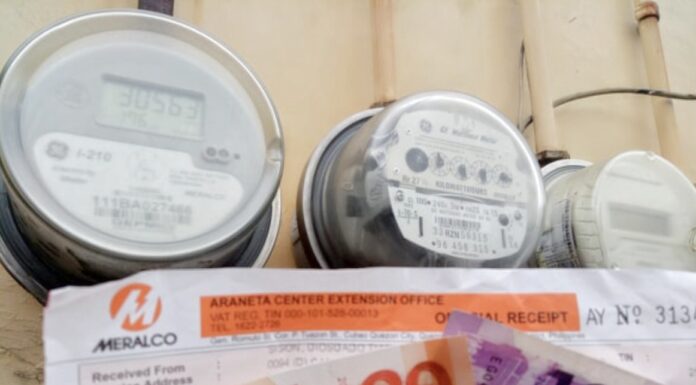
And manage they do. That is the quiet strength of this group. But managing comes at a cost. Taxes are a steady presence—unavoidable, predictable, and often felt most by those who cannot legally sidestep them. Add to that the 12% VAT folded into almost every purchase, and the recent oil-driven price surges that hit transport, food, and utilities hardest in the middle, and the burden becomes something you carry daily without naming it.
This is where conversations around programs like 4Ps become complicated. On paper, the idea is sound. Helping the poorest families invest in their children’s health and education is not just compassionate; it is practical. Studies from institutions like the World Bank have shown that these programs can break cycles of poverty when implemented well. Many in the middle class understand this. Most would not argue against helping those who have less.
But understanding does not always erase frustration. It shows up in small, unguarded questions. “Kami, kailan?” It is not said in anger, but in quiet exhaustion. You know your taxes, at least some of it, go somewhere, yet in your own space—crowded rooms, slow systems, small daily struggles—it is hard to feel them return. The gap does not shout, but it stays. It is not the help that unsettles you. It is the quiet weight of handling things on your own while still being asked for more.
And then there are the stories that linger. Some true, some uncertain, but all visible—people who seem to find ways around the system, or help that does not reach far enough. Even if they are rare, they leave an impression. What is seen becomes what is believed. It becomes easier to question people than to question processes. And so the frustration drifts, missing the deeper issues that remain just out of sight.
There is something else at play, too, something more personal. Many in the middle class were raised on stories of effort—of parents who worked their way up, who went abroad, who endured, who made do. There is pride in that. So when life still feels this tight despite doing “everything right,” it creates a quiet dissonance. You followed the rules. You studied, worked, paid your dues. Why does it still feel this hard?
And perhaps that is where the conversation becomes more than economic. When life feels like a constant balancing act, certainty becomes appealing. Not just financial certainty, but any kind of clarity that promises order. People do not cling to simple answers because they are naive. They do it because they are tired of carrying questions with no clear relief in sight. That vulnerability is easy to overlook, but it is very real.
And yet, the middle class keeps going. It works, teaches, pays, provides, adjusts, and takes risks as needed. It holds its ground in small, steady ways. From afar, it can look like comfort. But up close, it is something else—persistence, stretched but still standing. It is discipline. It is hope, stretched thin but still present.
What it asks for is not special treatment. Not even sympathy. Just a system that feels fair. One where paying taxes does not feel like a one-way obligation. One where public services meet people halfway. One where staying in the middle does not feel like standing on a narrow bridge, always one misstep away from falling.
Because if the middle class continues to hold everything together, it is only fair to ask: who, or what, is holding it?|