


Manila — THE United States government, through the U.S. Agency for International Development (USAID), recently partnered with the Philippine Department of Justice (DOJ) to provide specialized training for 24 DOJ prosecutors to enhance their expertise in handling environmental crimes.
Facilitated by USAID-trained experts from the DOJ, the training was held in Pampanga and Bataan from October 15 to 18 as part of USAID’s Sustainable Interventions for Biodiversity, Oceans, and Landscapes (SIBOL) project. The participants underwent mock court proceedings involving actual expert witnesses and environmental law enforcement officers, as well as crime scene investigation simulations within Bataan Natural Park. These exercises enhanced the state prosecutors’ knowledge about crime scene investigation, evidence handling, and case building.
The training ensures that strong evidence is collected before cases are filed, increasing the chances of successful convictions and strengthening the DOJ’s efforts to effectively safeguard protected areas under Philippine law.
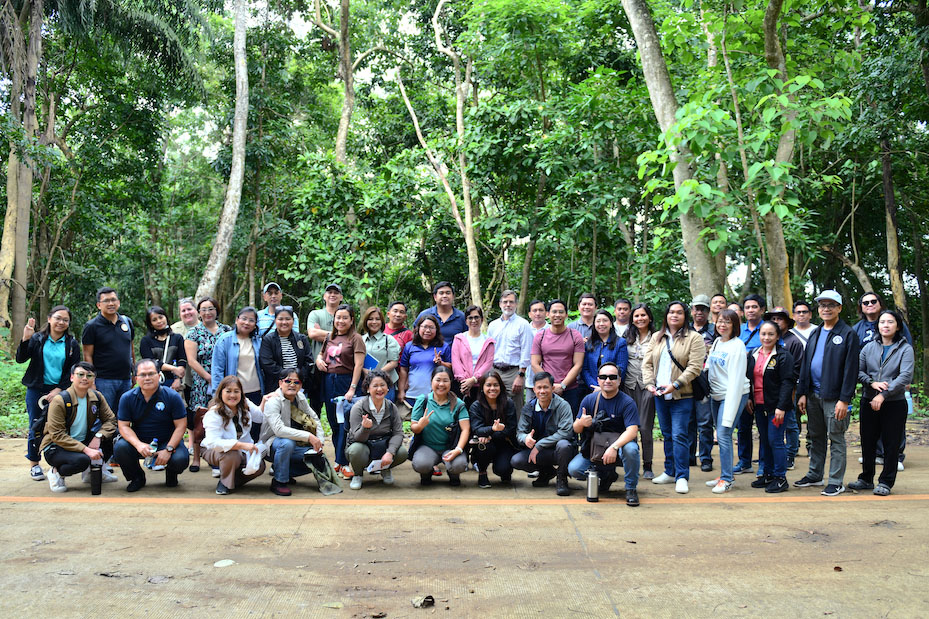
“USAID, through the SIBOL project, is proud to support the DOJ in improving the capacity of state prosecutors to tackle environmental crimes through practical, hands-on training,” said Thomas Kaluzny, Deputy Director of USAID Philippines’ Environment Office.
“We do not just want prosecutors to be skilled in investigating and prosecuting cases, but we also want (them) to live by the principles of environmental leadership,” said DOJ Senior Deputy State Prosecutor Hazel Decena-Valdez.
Since 2022, USAID has trained 209 prosecutors in environmental law enforcement and supported the DOJ in developing additional courses on illegal wildlife trade, forestry, and fisheries. USAID, through the SIBOL project, works with partners from the Philippine government, private sector, and civil society to strengthen science-based decision-making and address threats to biodiversity created by unsustainable practices, irresponsible tourism, and environmental crimes.