

For a lot of Filipinos, getting sick doesn’t start with symptoms.
It starts with panic over the bill.
“Magkano kaya aabutin nito?”
That question remains painfully common even years after the Universal Health Care Act promised healthcare access for every Filipino.
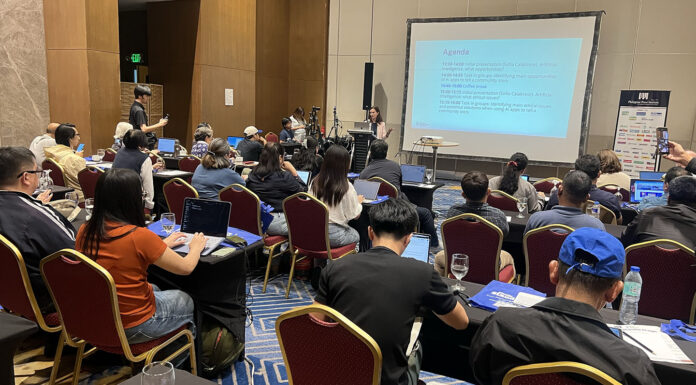
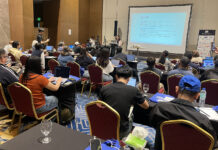
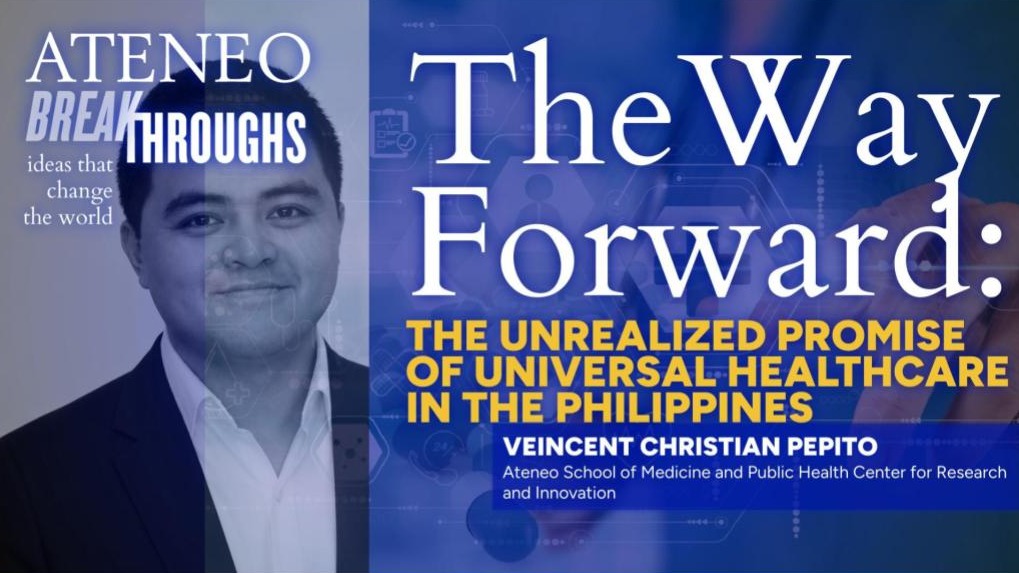
During a recent lecture hosted by Ateneo de Manila University, public health researcher Veincent Christian F. Pepito explained why universal healthcare in the Philippines still feels more like a goal than a reality.
According to Pepito, healthcare rarely becomes a top political priority because it is less “visible” compared to roads, bridges, or flood control projects that politicians can easily showcase to voters.
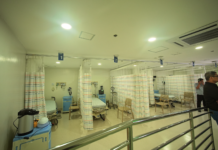
But while infrastructure projects trend in campaign ads, ordinary Filipinos continue dealing with overcrowded hospitals, expensive medicines, long waiting times, and health centers lacking doctors or equipment.
Pepito’s research showed that the country’s healthcare system remains stretched thin. Budgets struggle to keep up with rising medical costs, healthcare workers are unevenly distributed, and digital systems meant to improve services often fail to work smoothly.
In short: the policies exist, but the experience on the ground is different.
Filomeno Aguilar said healthcare cannot succeed through “good intentions” alone. A working system must be funded properly, organized well, and trusted by the people using it.
There are signs of progress, including efforts to improve primary care and modernize patient records. But for many Filipinos still forced to delay checkups, split medicines in half, or avoid hospitals because of costs, universal healthcare remains unfinished business.
Because at the end of the day, healthcare is not just policy.
For millions of Filipinos, it’s survival.