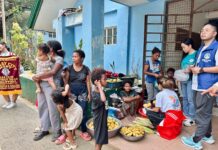

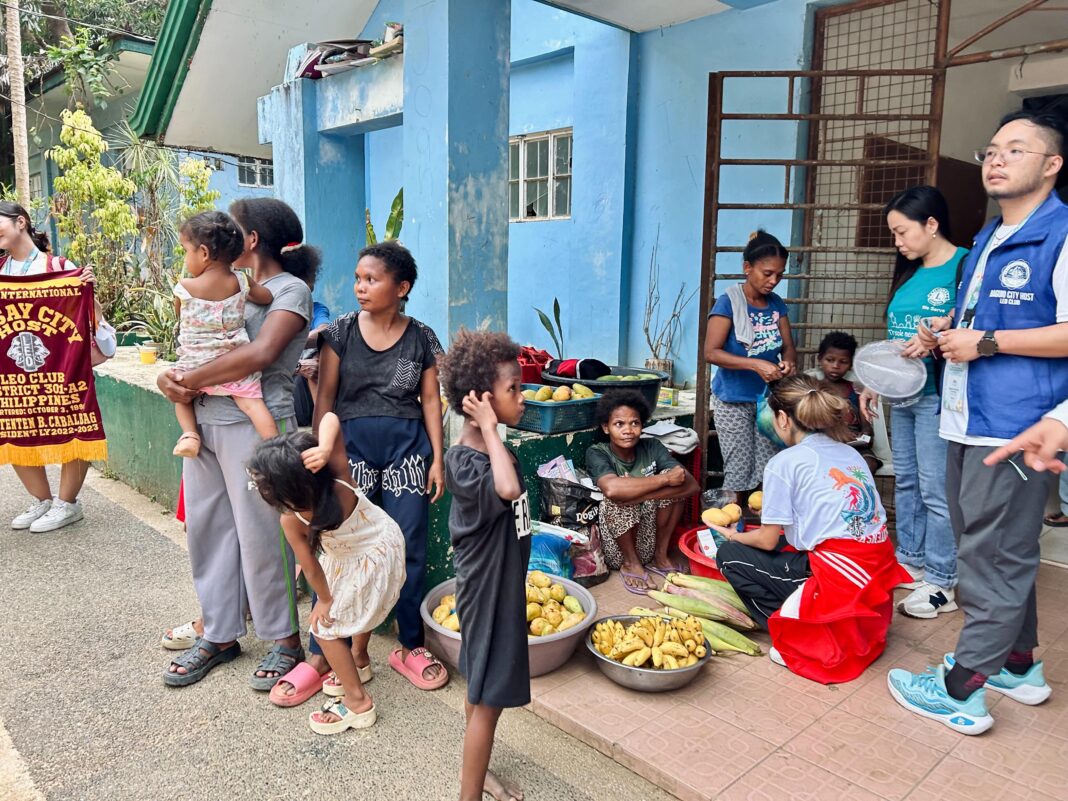

SUBIC, Zambales — Multiple District 301 of Leo Clubs Philippines successfully mounted “Project AETA” Saturday, May 23, bringing essential provisions, educational supplies, and sustainable aid to the indigenous families of Sitio Gala in Aningway-Sacatihan, Subic, Zambales.
The single-day service initiative, subtitled “Active Engagement Towards the Aeta Community,” was integrated into their three-day 30th Multiple District Convention alongside delegates of Lions Clubs Philippines.
Dozens of children and parents gathered to welcome the civic organization, culminating in a special cultural performance where local youth energetically danced to the track “Hawak Mo ang Beat.”
The community elders and residents also offered heartfelt prayers and expressions of profound gratitude to the visiting delegates, marking a deep moment of mutual respect.
However, away from the main festivities, pressing socioeconomic grievances were brought to light. Leo Archie C. Sambrano of the District 301-A2 GMA Cavite Gems Leo Club sat down with the Chieftain, Council Adviser, and Councilor of the Sitio Gala Tribal Council to discuss the community’s urgent appeals to the local government.
Among their primary concerns is the lack of an Indigenous Peoples Mandatory Representative (IPMR) in local legislative councils, despite guidelines issued as early as 2009 under the IPRA Law. “Hanggang ngayon, walang representasyon ang mga katutubo sa sangguniang barangay at bayan (Until now, the indigenous people have no representation in the barangay and municipal councils),” Sambrano relayed in his report.
He emphasized that proper implementation of recent administrative orders would allow local governments to address the community’s needs more efficiently, because they would have direct representation.
The tribal leaders also expressed deep concerns regarding their ancestral domain. Advocating for immediate land security, Sambano added: “Marami na ang nagtangkang kamkamin ang kalupaan ng Sitio Gala. Nawa’y wala nang sumubok muli (Many have attempted to grab the lands of Sitio Gala. Hopefully, no one tries again).”
While the Aeta residents were seen selling freshly harvested mangoes and bananas during the outreach, their regular participation in the local public market is heavily restricted.
“Mahigit dalawang linggo lang ang nakalilipas, pinagbawalan silang maglatag ng kanilang paninda na nararapat lamang dahil may umiiral na ordinansa. Ang problema, walang maayos na alternatibong pwesto para sa kanila (Just over two weeks ago, they were prohibited from laying out their goods which is only right due to an existing ordinance. The problem is, there is no proper alternative space for them),” Sambrano shared.
He noted that the indigenous vendors felt they were thrown into an isolated area with no foot traffic, leaving them with zero sales by midday.
“Isang bagay ang malinaw sa Sitio Gala—hindi sapat ang suporta sa kanila. Kailangang higit pang bigyang pansin ang kanilang mga panawagan (One thing is clear in Sitio Gala—the support for them is not enough. Their calls need to be given more attention),” Sambrano concluded, urging broader societal and governmental support to supplement civil society relief efforts.
Members of the Aeta community continue to navigate daily challenges regarding consistent access to basic state services, infrastructure, and institutional protections.
As Leo Clubs Philippines look toward future national mandates, they emphasize that achieving long-term sustainability for the nation’s indigenous sectors requires robust government funding, targeted resource allocation, and a stricter enforcement of policies safeguarding ancestral rights and human dignity.| Sheenalei Briana Rayos