

By BNN Integrated News
For years, students at Mangumihay Elementary School studied without electricity, internet, or access to modern learning tools.
Now, that’s changing.
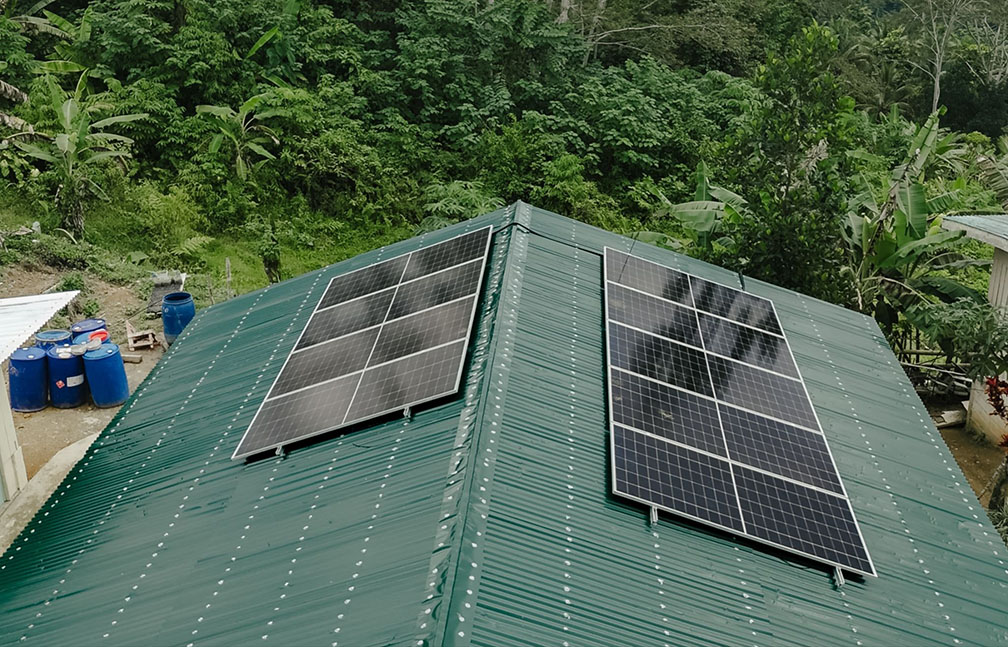
Through the AuroraPH initiative, Aboitiz Construction and Aboitiz Foundation have transformed the remote school in Nasipit, Agusan del Norte into a digitally connected learning hub powered entirely by renewable energy.
The project combines a 5.49-kWp hybrid solar system, satellite internet, Smart TVs, and digital learning equipment—bringing 21st-century education to one of the country’s last-mile schools.
The journey to the school is anything but easy. Teachers and visitors travel almost two hours by motorcycle through rugged mountain roads that often become muddy and nearly impassable during the rainy season.
For the indigenous Higaonon community, however, the investment represents much more than electricity.
It means students can now access online learning resources, multimedia lessons, and digital classrooms previously unavailable to them.
Mangumihay becomes the 53rd school energized under AuroraPH, which aims to connect 300 remote schools nationwide by 2028.
Governor Ma. Angelica Rosedell Amante said the project ensures indigenous children have the same learning opportunities as students in urban communities.
Why it matters
Reliable electricity and internet access are increasingly becoming essential educational infrastructure. Projects like AuroraPH demonstrate how renewable energy, digital connectivity, and public-private partnerships can help close learning gaps in geographically isolated communities.|