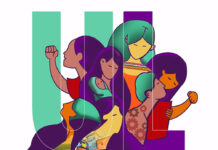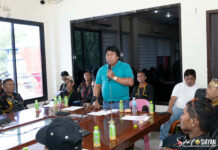

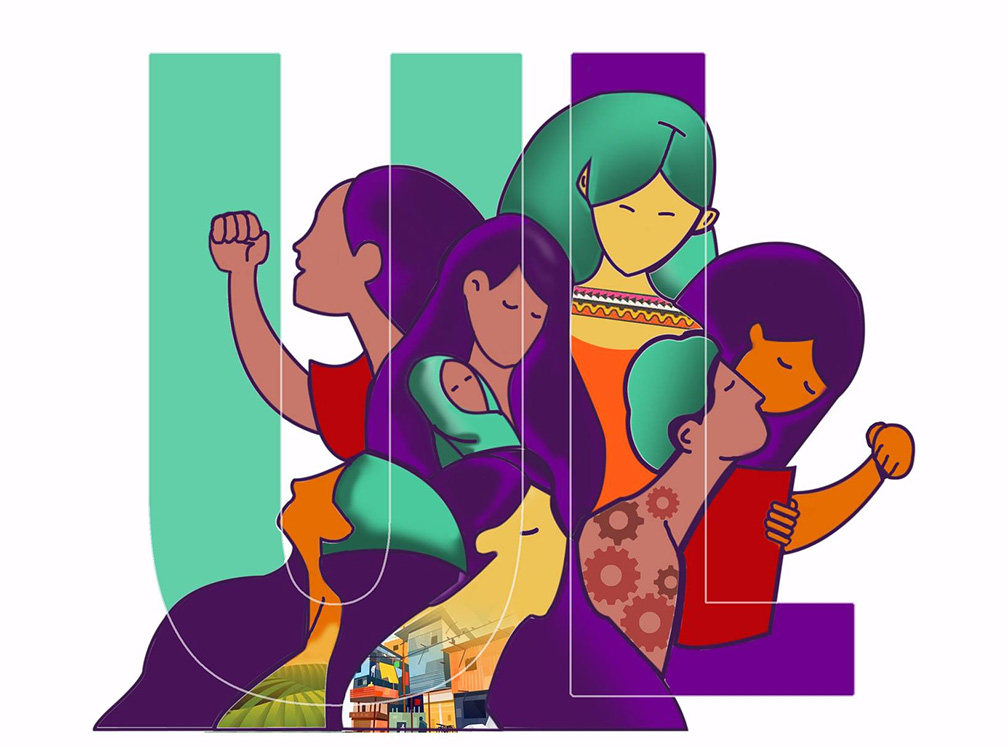

QUEZON CITY, Philippines — The Center for Women’s Resources (CWR), in partnership with the UP Diliman Gender Office, held its annual Ulat Lila forum on March 3 at the Conference Hall of Balay Kalinaw in the University of the Philippines Diliman, presenting its latest assessment of the socioeconomic and political conditions confronting Filipino women.
The Ulat Lila 2026 report, which draws from research and grassroots engagement across sectors, examined the continuing challenges faced by women amid rising living costs, low wages, and limited access to social protection.
According to CWR, women—particularly those from marginalized communities—continue to experience disproportionate economic burdens due to inflation, precarious employment, and limited livelihood opportunities.
The group also raised concerns over what it described as the impact of prevailing economic policies that, it said, have contributed to widening inequalities and restricted access to resources and services.
During the forum, CWR cited issues affecting women in agriculture and coastal communities, including increasing debt among women farmers amid declining grain prices and the effects of development projects on fisherfolk and indigenous communities. These conditions, the group said, may expose women and children to heightened risks such as displacement and economic insecurity.
The report also noted the continuing challenges related to human trafficking, illegal recruitment, and online employment scams targeting women seeking overseas work.
In addition, the forum discussed concerns regarding governance and the management of public funds, emphasizing the need for transparency and accountability in government programs that directly affect social services and development projects.
CWR also pointed to documented cases of threats, harassment, and intimidation against women and community advocates from July 2022 to November 2025.
Despite these concerns, the organization highlighted the growing role of women’s movements and grassroots initiatives in addressing social and economic issues.
According to CWR, strengthening community organizing and rights-based advocacy remains crucial in advancing the welfare, protection, and empowerment of Filipino women across sectors.