
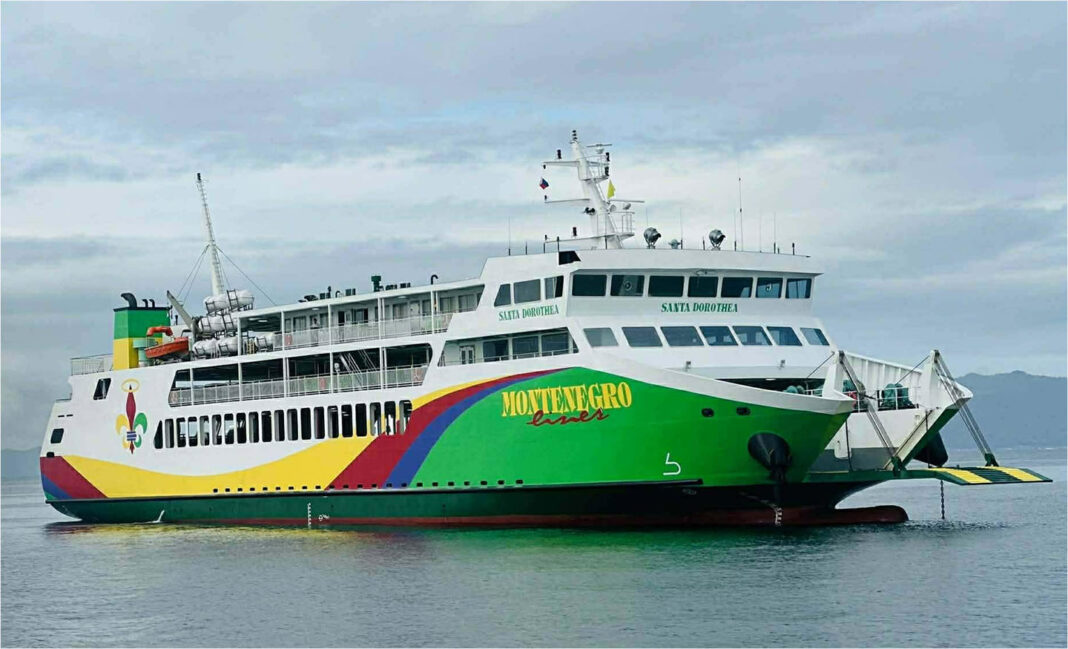

BATANGAS CITY — Montenegro Shipping Lines’ immediate ban on electric and hybrid vehicles aboard its vessels is creating a new logistical challenge for the Philippine automotive market, potentially affecting vehicle distribution, inter-island commerce and the country’s transition toward electric mobility.
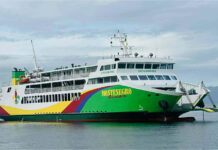
The shipping company issued a September 16, 2026 memorandum ordering vessel masters not to accept EVs or HEVs for either passenger or cargo carriage. Montenegro said the measure was intended to reduce potential risks involving battery-related fire, explosion and thermal runaway.
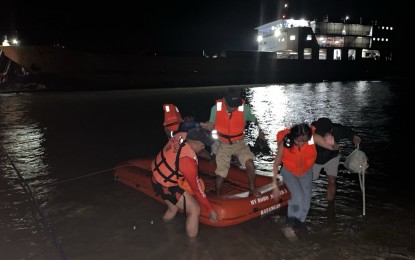
The decision followed the deadly MV June Aster ferry fire off Coron, Palawan, after an initial investigation indicated that an electric vehicle may have been involved in the explosion. Authorities, however, have not reached a final determination on the cause of the disaster.
That distinction is important for the automotive and shipping sectors.
The ban is a company-level precaution rather than a nationwide prohibition. The Philippine Coast Guard has said a broader industry policy would require action by the Maritime Industry Authority, while the Department of Energy is coordinating with MARINA and other agencies on safety protocols for EV transportation by sea.
For businesses, the immediate concern is logistics.
EV dealerships that move units between islands could face additional transport requirements. Companies operating electric fleets may have to identify alternative carriers, while businesses dependent on vehicle movement could encounter higher shipping costs or longer delivery times.
The issue becomes particularly relevant in the Philippines because the electric-vehicle transition is not limited to highways and urban charging networks. Vehicles also have to move through the country’s extensive maritime transport system.
A long-term solution could therefore require coordination among shipping companies, vehicle manufacturers, dealers, regulators and emergency-response agencies.
Possible industry standards could address how EVs are declared before boarding, battery condition, vehicle positioning, segregation, fire detection and emergency procedures.
The Department of Energy said it is working with the Bureau of Fire Protection on rules addressing emerging risks involving EVs and lithium-ion batteries and is coordinating with MARINA on appropriate protocols for carriage aboard vessels.
For shipping operators, the challenge is to manage an evolving technology within existing vessel and emergency-response systems.
For the automotive industry, meanwhile, predictable and safe inter-island transport is part of the infrastructure needed for the EV market to expand beyond major urban centers.
Montenegro Lines’ restriction will remain in force until further notice or until management issues a revised directive.
The development places a new question before the country’s transport and energy sectors: how can maritime safety requirements keep pace with the expansion of electric mobility without creating unnecessary barriers to vehicle movement and commerce?| – BNN Integrated News