

MANILA — The National Grid Corp. of the Philippines is open to accelerating the Mindoro-Panay Interconnection Project as persistent electricity supply constraints transform the Visayas from a largely self-sufficient grid into a net importer of power.
NGCP spokesperson Cynthia Perez-Alabanza said the project had previously been deferred to the long-term horizon, but changing supply-and-demand conditions have forced the transmission operator to reassess that timetable.
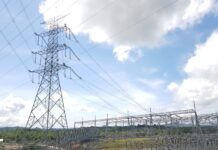
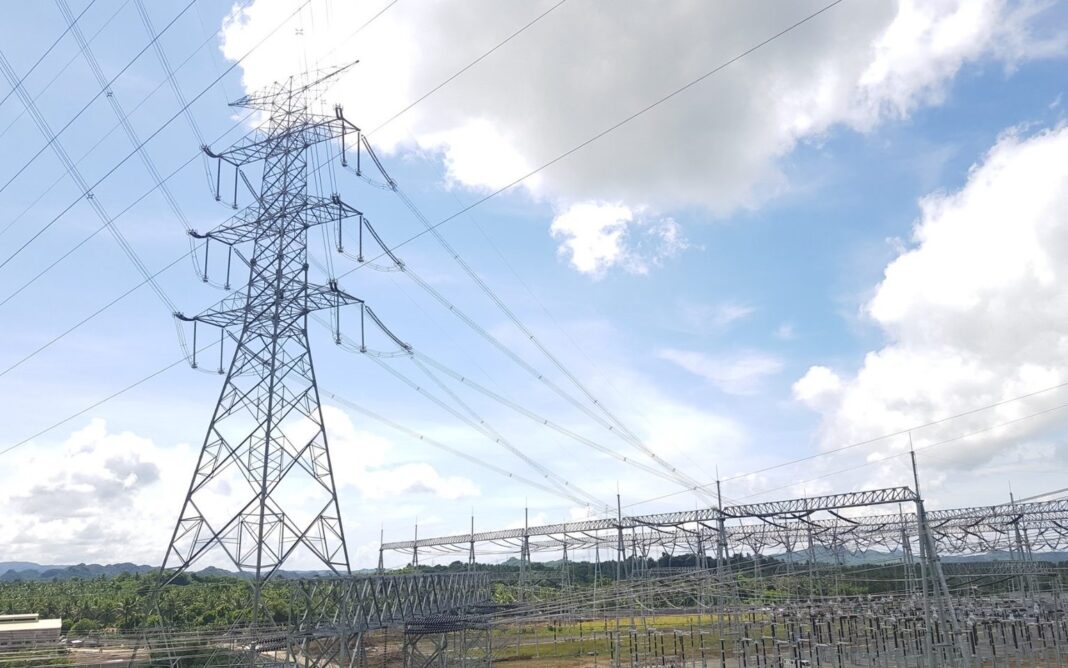
The project would extend the Luzon-Visayas transmission network through Mindoro and Panay, providing another corridor for transferring available electricity between the two major grids.
NGCP’s transmission development plans describe the Mindoro-Panay link as a project designed to increase system transfer capacity and accommodate generation in both Luzon and the Visayas, including projects within Competitive Renewable Energy Zones.
The strategic case for the project has strengthened as the Visayas increasingly depends on imported electricity.
On Sept. 21, the Visayas grid was placed on yellow alert as available capacity stood at around 2,500 megawatts against forecast peak demand of 2,426 MW, leaving insufficient reserves to meet contingency requirements. Around 859.8 MW was unavailable because of outages and derated generating facilities.
A red alert followed on Sept. 22, while another yellow alert was declared on Sept. 23. On Wednesday, unavailable capacity had risen to about 886.5 MW.
Accelerating the Mindoro-Panay corridor could give the grid greater flexibility to move available generation toward the Visayas during periods of tight supply.
But NGCP has cautioned that transmission investment cannot substitute for adequate generation. “Transmission cannot create supply,” Alabanza said in an earlier briefing, stressing that additional transfer capacity is effective only when sufficient electricity is available elsewhere in the system.
The Department of Energy, meanwhile, is pursuing additional generation as part of its longer-term Panay strategy. The DOE said projects in the pipeline could provide 135 MW of baseload capacity by 2028, another 270 MW in 2029 and 150 MW in 2030, alongside 220 MW of gas-fired mid-merit capacity targeted by 2028.
Taken together, new generation and stronger interconnection capacity would form part of a broader effort to improve the reliability and resilience of the Visayas electricity system as demand grows.| – BNN Integrated News