

The arrest of veteran journalist Philip Lustre Jr. over a libel complaint brings renewed attention to a troubling question: Is the law protecting reputations, or is it being used to discourage legitimate scrutiny?
Libel laws serve a purpose. Every individual deserves protection against malicious falsehoods and reckless accusations. Journalists, likewise, must exercise fairness, accuracy, and responsibility in reporting matters of public interest.
But protecting reputations should never become an excuse for intimidating those who question powerful individuals.
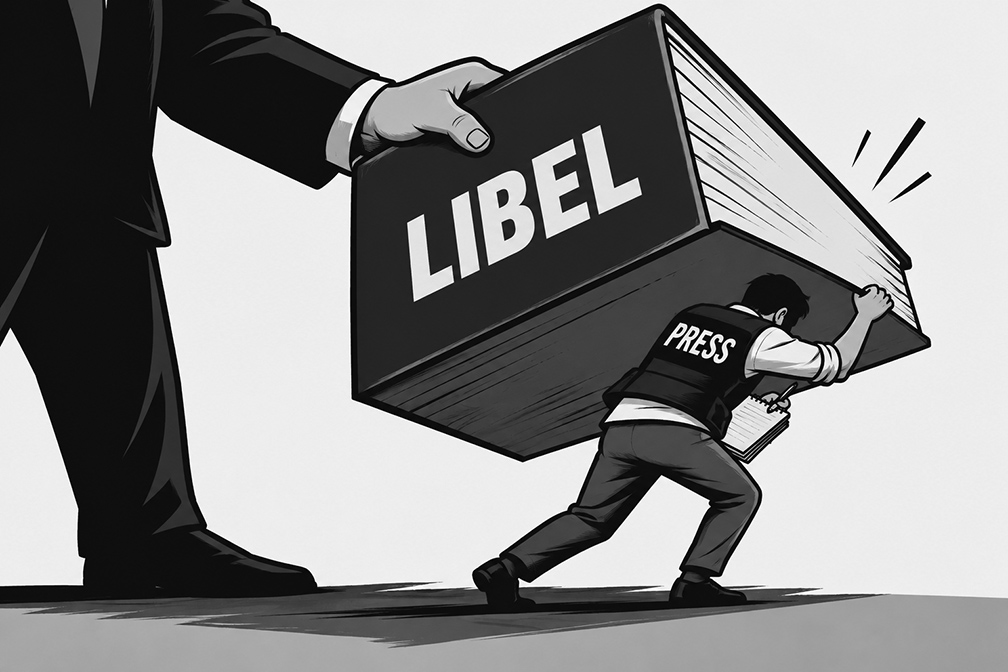
The threat of criminal prosecution, arrest, and imprisonment can discourage journalists from pursuing legitimate stories. Even when cases are eventually dismissed, the financial and emotional burdens of defending oneself can have a chilling effect on investigative reporting.
This is why the longstanding proposal to decriminalize libel deserves serious congressional consideration.
Decriminalization does not mean granting journalists unlimited freedom to malign others. Civil remedies, professional accountability, and existing safeguards against harmful conduct can continue protecting individuals whose reputations have been unjustly damaged.
The greater challenge is finding a balance between personal dignity and the public’s right to information.
Public officials and influential personalities must accept that scrutiny accompanies positions of power. Journalists, meanwhile, must recognize that press freedom carries corresponding ethical obligations.
Democracy requires both responsible journalism and meaningful protection against harassment through legal proceedings.
The law must provide justice to the genuinely defamed, not become an instrument for silencing inconvenient questions.
A free press must answer for its mistakes, but it must never be punished merely for asking difficult questions.|
[Syndicated Editorial for BNN Media Group and affiliates]